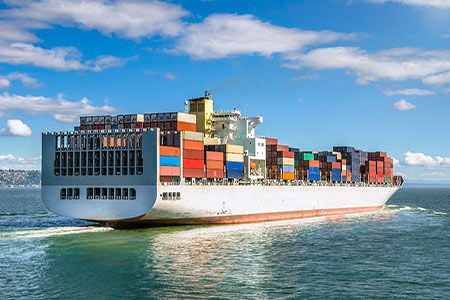
ExxonMobil issues best-practice tips to shippers for transitioning to low sulfur fuel
The International Maritime Organization’s 0.5% sulfur cap is due to come into effect on 1 January 2020.

Browse the latest clean fuels news and articles.
The International Maritime Organization’s 0.5% sulfur cap is due to come into effect on 1 January 2020.

A survey by Deloitte suggests that switching to LNG is the preferred solution for shipping companies to adopt in order to meet the IMO’s emissions standards for marine bunker fuels.
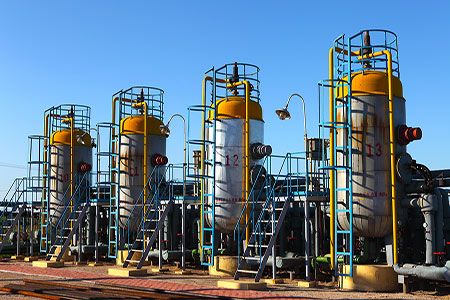
Hydrogenious Technologies’ solution and Clariant’s catalysts present a safer, more efficient alternative for storing and transporting very large amounts of clean hydrogen from renewable sources.
The Spirit of British Columbia, part of BC Ferries of Canada’s fleet, is back in operation following its conversion to using LNG.
As 2020 deadline looms, shippers must now commit to one of several costly compliance pathways, or face fines, reputational damage and the potential loss of insurance coverage.
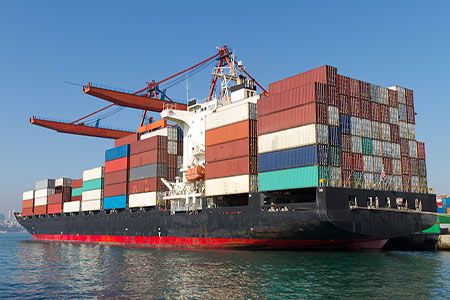
The ABS Advisory on Marine Fuel Oil provides owners and operators with industry-leading guidance on the considerations and challenges with marine fuels.

BCCK will deliver its cryogenic nitrogen removal process for a landfill gas-to-energy project.

The paper does not endorse any particular strategy, and highlights the various factors for ship owners and operators to consider.

Valero has acquired Pure Biofuels del Peru in a transaction that includes refined products terminals in northern Peru.

The oil and natural gas industry leads efforts to make air cleaner through low-carbon technologies, says new API study.

Total to is set to invest heavily in Clean Energy Fuels Corp. to help drive the deployment of natural gas heavy-duty trucks.

Velocys plc has received a notice to commence manufacturing of the Fischer-Tropsch reactors and catalyst for a Red Rock Biofuels LLC biorefinery.